This article was originally published in iGaming Brazil magazine.
Bingo is in the middle of a global comeback. Once associated with community halls, school party games, and older generations, the classic game is re-emerging as one of the entertainment trends for Generation Z, especially in countries such as the United Kingdom and the United States.
From sold-out bingo raves and themed nightlife events to mobile-focused online bingo platforms and live-streamed games with real-time interaction, bingo is being reinvented for a digital generation that loves a retro vibe.
Other countries like Brazil, where bingo has a strong cultural tradition, interest in interactive formats, such as live bingo via streaming, has been growing among operators and iGaming platforms, although the regulatory framework for online gaming is still evolving.
This modern renaissance combines retro nostalgia with interactive streaming culture, transforming traditional bingo into a social game that blends physical and online experiences.
In this article, we explore the revival of bingo, driven by Generation Z, by new distribution formats such as bingo via live streaming, and by new approaches to the game.
From Community Halls to Nightclubs: The Evolution of Bingo
Bingo seemed destined to disappear quietly into nostalgia, overshadowed by a generation that grew up in the digital era. Instead, what is happening is the opposite.
This can be especially surprising if we remember that not long ago, bingo nights meant rows of folding chairs, paper cards, and silent concentration inside local halls or even church events. The focus was community, routine, and in-person interaction. It was a shared ritual that brought neighbors together week after week.
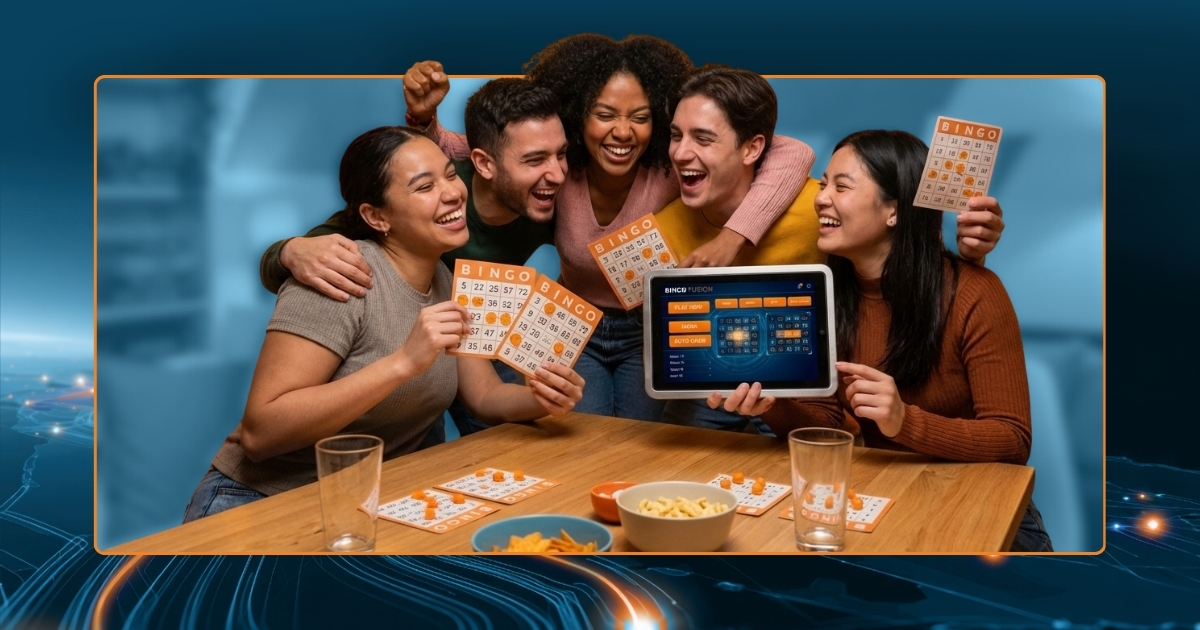
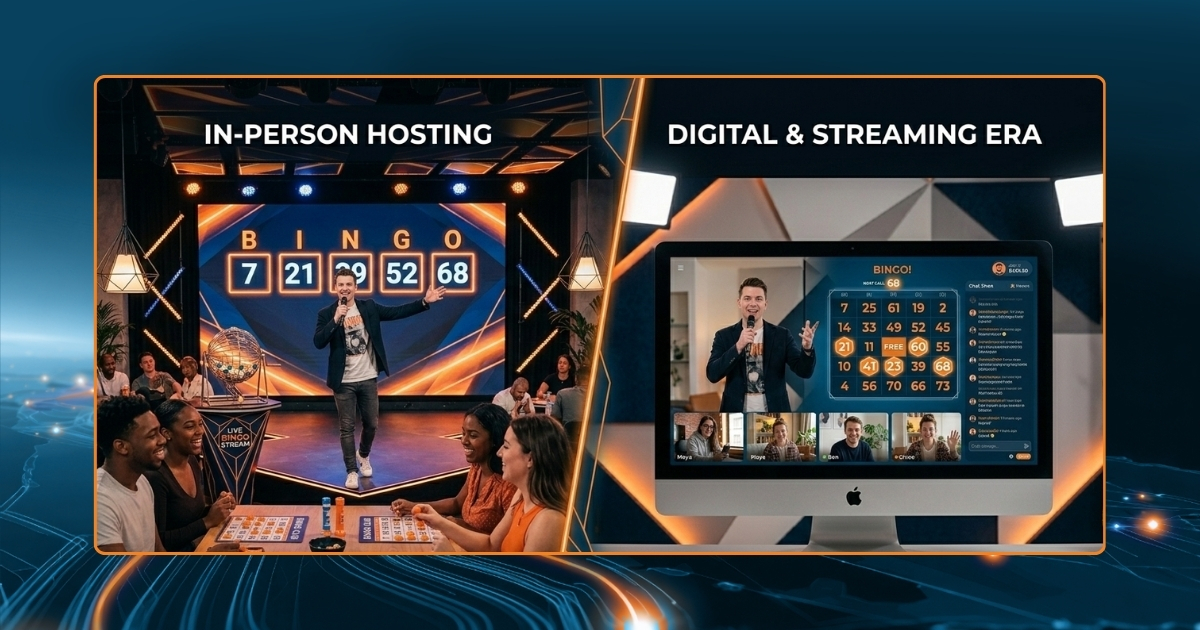
Today, the environment may include DJs, LED screens, meme references, and live hosts broadcasting in real time. In other words, the difference lies in scale and format.
For example, to expand the game globally, operators partner with live streaming platforms such as nanoStream, which acts as an integration partner for the entire technology live streaming process, while delivering a real-time experience to a global audience.
The Traditional Roots of Bingo
The bingo we remember with nostalgia took shape in the early twentieth century. In the United States, an entrepreneur named Edwin S. Lowe popularized the game after encountering a group of people playing “Beano” during a trip. Players marked numbers on cards with beans, and the legend says that an excited winner accidentally shouted “Bingo!” instead of “Beano,” giving the game the name we know today.
From there, bingo became integrated into the social infrastructure. Churches, charities, and community organizations adopted it as a fundraising tool. This happened mainly because a game was easy to organize, required little equipment, and attracted many people. Throughout the mid-twentieth century, bingo halls flourished around the world.
Traditionally, bingo was not only about winning money or betting. It was about routine. Weekly bingo nights created predictable rhythms in local life. The atmosphere was distinct: silent concentration, the ritualistic calling of numbers, and shared tension as someone approached completing their card.
In many ways, the game represented accessible entertainment before the era of mass digital media. It did not require special skills or specialized knowledge. Anyone could sit down and participate. This inclusiveness helped cement its place as a democratic form of leisure.
Knowing these traditional roots is essential to understanding the current renaissance. Although the aesthetics and platforms have changed—from paper cards in local halls to mobile apps and live-streamed games—the core principles remain.
The Decline Before the Return
Bingo entered a period of decline as new forms of entertainment emerged, especially with digital growth, video games, and online gaming. Traditional games began to be set aside, along with the sense of playing only in person.
Casinos and online gaming platforms also attracted players with flashy graphics, large jackpots, and more sophisticated interfaces. In addition, generational changes in taste led younger audiences to view bingo as an “old-fashioned” pastime.
Even so, despite this decline, bingo never disappeared, and today Generation Z is leading the rebirth of bingo.
Why Generation Z Is Embracing Bingo Again
The Power of Retro
Generation Z has a strong connection with the feeling of nostalgia, especially with the aesthetics and culture of the late 1990s. The revival of that era is not limited to fashion and music. It extends to entertainment formats that were once considered outdated.
Bingo, with its striking numbers, slightly kitschy visual identity, and simple mechanics, fits perfectly into this retro revival.
But this return is not purely sentimental. It is also ironic. Generation Z has mastered the art of rescuing forms of entertainment considered “cheesy” and transforming them first into a shared cultural joke and then into a genuine movement.
Bingo nights are promoted with humor, exaggerated hosts, and meme-worthy visual identity. Meme culture amplifies this dynamic. Clips of dramatic wins, chaotic hosts, or exaggerated celebrations circulate on TikTok and Instagram, turning bingo into shareable content.
The Digital Reinvention of Bingo
If in-person bingo nights represent one side of this renaissance, digital innovation represents the other. The modern return of bingo is not limited to physical spaces. It is also happening on screens, apps, and live streaming platforms around the world.
What Is Online Live Bingo?
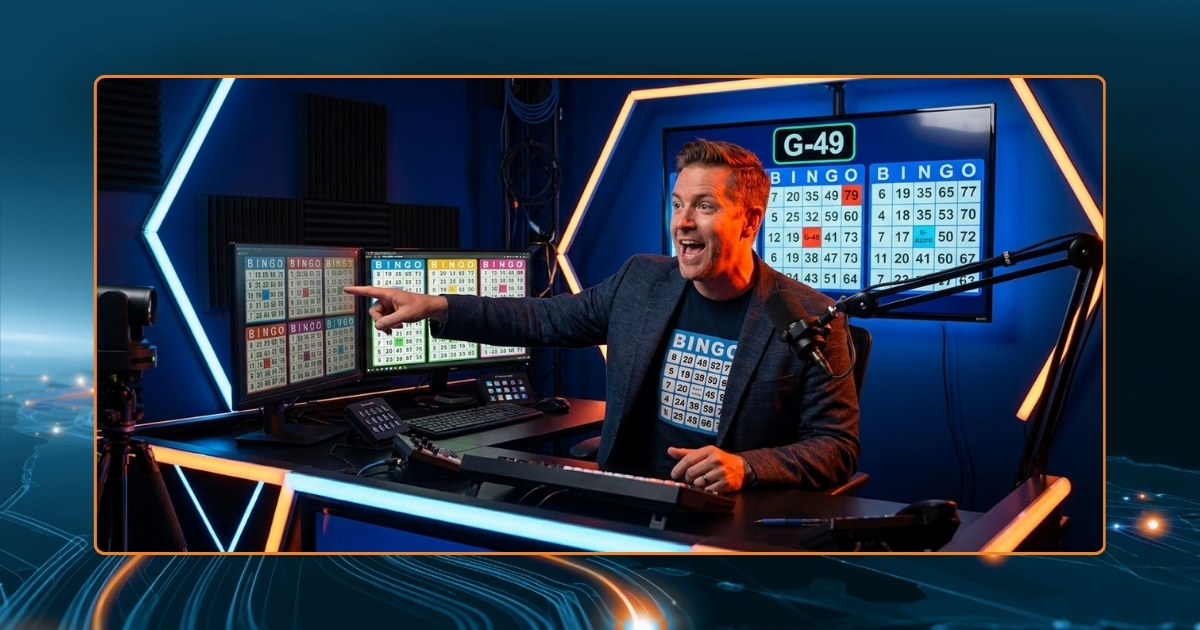
Online live bingo combines the traditional mechanics of number drawing with real-time live streaming. Instead of a pre-programmed automated draw, a live host calls the numbers through a video broadcast in real time.
Players participate remotely through apps or websites, marking their digital cards as the game unfolds. Interaction happens in real time, making online live bingo engaging and highly interactive.
The defining characteristic is simultaneity with interactivity. In other words, everything truly happens in real time. Everyone plays at the same time. Winners are announced instantly. Reactions appear in chat windows.
Real-Time Streaming and Interactive Bingo
One of the most significant changes when talking about bingo today comes from the influence of live streaming culture. In addition, today players expect entertainment to be accessible on demand, optimized for smartphones, and available wherever they are, such as on public transport, at home, and so on.
Modern bingo games with live hosts prioritize interaction. Hosts react, joke, improvise, and build a connection with the audience in real time. The chat is not a secondary feature but part of the experience.
The search for interactivity and engagement to retain audiences for longer periods also brings variations and innovations to online live bingo. For example, bingo events hosted by influencers are becoming more common and add content creation to the game.
This transforms bingo from a passive gambling game into a participatory spectacle. It is reactive. It is collective. The game becomes content, and the audience becomes part of the show.
Why a Real-Time Streaming Platform Is Essential for Live Online Bingo
Although bingo with live hosts and real-time interaction through chat creates a sense of community, none of it works without a reliable streaming infrastructure. True interactivity depends on ultra-low latency, stable video delivery, and synchronized number calling among thousands, even millions of participants.
In live online bingo, even a few seconds of delay can harm the experience. If numbers are called at different times for different users, or if chat reactions lag behind the live draw, the sense of shared anticipation disappears and may even create a feeling of unfairness.
Professional low-latency streaming solutions such as nanoStream are designed to minimize delays and maintain interaction securely.
For operators, this is not just a technical detail but a strategic necessity. In this sense, technology does not replace tradition—it enables it. The collective gasp before the final number is called may now happen through screens, but it still depends on everyone experiencing the moment together.
How the nanoStream Platform Delivers Interactivity for Bingo Streaming
The German platform nanoStream, from the company nanocosmos, is a complete platform for real-time video that offers ultra-low latency combined with global delivery and features that elevate the quality and monetization capacity of online live bingo. With more than 10 years of experience in iGaming, nanocosmos is a reliable partner for cutting-edge technology.
One of nanoStream’s main strengths is its ability to support the entire live streaming cycle in a cohesive and transparent way. In the case of Brazil, support is offered in Portuguese.
The nanoStream platform offers:
- Latency below 1 second
- 24/7 operation
- Scalability for traffic peaks
- Analytics and monitoring
- Local servers
- Dedicated support in Portuguese
European Technology Standard
Security is a central concern for live iGaming streaming. As a platform developed in Germany, nanoStream aligns with European technological standards and data protection principles.
Rather than treating security as an add-on, nanoStream integrates it into the platform architecture, making it part of the standard operational workflow.
nanocosmos will be attending SiGMA South America in São Paulo from April 6–9. Visit us at booth P60 to explore our low-latency streaming solutions, connect with our team, and discover how we can help transform your live streaming experience.