Live and interactive video is now the heart of digital engagement for different real-time streaming use cases. From iGaming and live auctions to global events and more. In 2026, audiences expect instant response and no delay.
In this article, we explain how real-time video is evolving in 2026. We bring insights into new technologies like Media over QUIC (MOQ). Moreover, we’ll explore the latest trends across industries with new use cases for real-time video and the role of AI in the industry.
On the technology side, a comprehensive approach with different tools bringing real-time metadata, AI-driven analytics, live translations, and advanced video features enables richer interactive experiences, full controle into live streams, smarter audience engagement, and more resilient streaming workflows.
Table of contents
- Why Sub-second latency is key in 2026 for interactive use cases
- New Use Cases for real-time video
- Live streaming with AI Accessibility and Features
- Data becomes even more essential for business
- Built-In Security Becomes Essential to Real-time Video platforms
- Broadcast industry and the new real-time video business
- Final Considerations When Building Interactive Video Experiences in 2026
Why Sub-second latency is key in 2026 for interactive use cases
The real-time streaming landscape in 2026 is being shaped by a combination of rising user expectations, new interactive formats, and rapid advances in ultra-low-latency delivery technology.
As businesses raise their expectations and users demand more responsive experiences, sub-second latency and near-immediate response are paramount. Viewers no longer accept multi-second lag as a normal part of interactive live video, even when streaming worldwide. Seconds of lag can impact fairness, disrupt engagement, and reduce conversions.
In 2026, the demand for sub-500 ms video transmission will accelerate across industries, driven by real-time participation models in iGaming, Live Auction, Mission-Critical, and more.
Moreover, innovation is pushing ultra-low latency closer to real-time video delivery than ever before. Technologies such as H5Live and Media over QUIC (MOQ) improve live streaming reliability worldwide, performing better on unstable networks, a critical advantage for mobile viewers.
However, access to advanced streaming technologies alone is not enough. To run live streams smoothly and reliably at scale, these components must be managed through an end-to-end comprehensivee approach that covers delivery, playback, monitoring, and optimization.
nanocosmos has brought MOQ into production for clients through nanoStream, an end-to-end live streaming platform that allows operators to focus on their business goals while a trusted partner manages the streaming technology behind the scenes.
The nanoStream platform offers a comprehensive real-time video experience with AI translations and captions, live replay, recording and more.
New Use Cases for real-time video
As real-time live streaming evolves, new use cases for real-time video emerge, and businesses are discovering entirely new ways to engage audiences in real time. In 2026, real-time video goes to another level involving participation, collaboration, and instant decision-making across industries. From gaming and live auctions to mission-critical operations, organisations are finding creative applications that turn viewers into active participants.
While iGaming and live auctions have been early leaders in adopting interactive real-time video, the use cases are rapidly expanding into new and even unexpected areas. In 2026, industries such as retail, healthcare, education, and even corporate collaboration are leveraging interactive live streaming to create instant engagement, drive decision-making, and enhance customer experiences.
From virtual shopping events with real-time feedback to telemedicine consultations and immersive training sessions, real-time video is evolving. It goes beyond entertainment and becomes a core tool for business innovation across sectors.
New use cases for real-time video inside iGaming: Bet Behind
iGaming, live casino, and sports betting engage audiences like never before by combining real-time video with direct interaction. One example is Bet Behind, where remote players place bets on the outcome of real, physical games, such as roulette or card games, that are happening live in casinos or studios around the world. By watching the live video stream, players actively participate in the event and make betting decisions based on what they see in real time.
In Bet Behind scenarios, ultra-low latency is non-negotiable. If video delay is too high, bets arrive too late. As a result, it leads to rejected wagers, poor user experience, and potential financial disputes.
Achieving ultra-low latency depends not only on the business field but also on the tech behind it. Protocols based on H5Live or Media over QUIC (MOQ) make sub-second latency possible. Moreover, a robust CDN with global reach is essential to ensure fairness and trust.
Real-time streaming for Mission-Critical operations
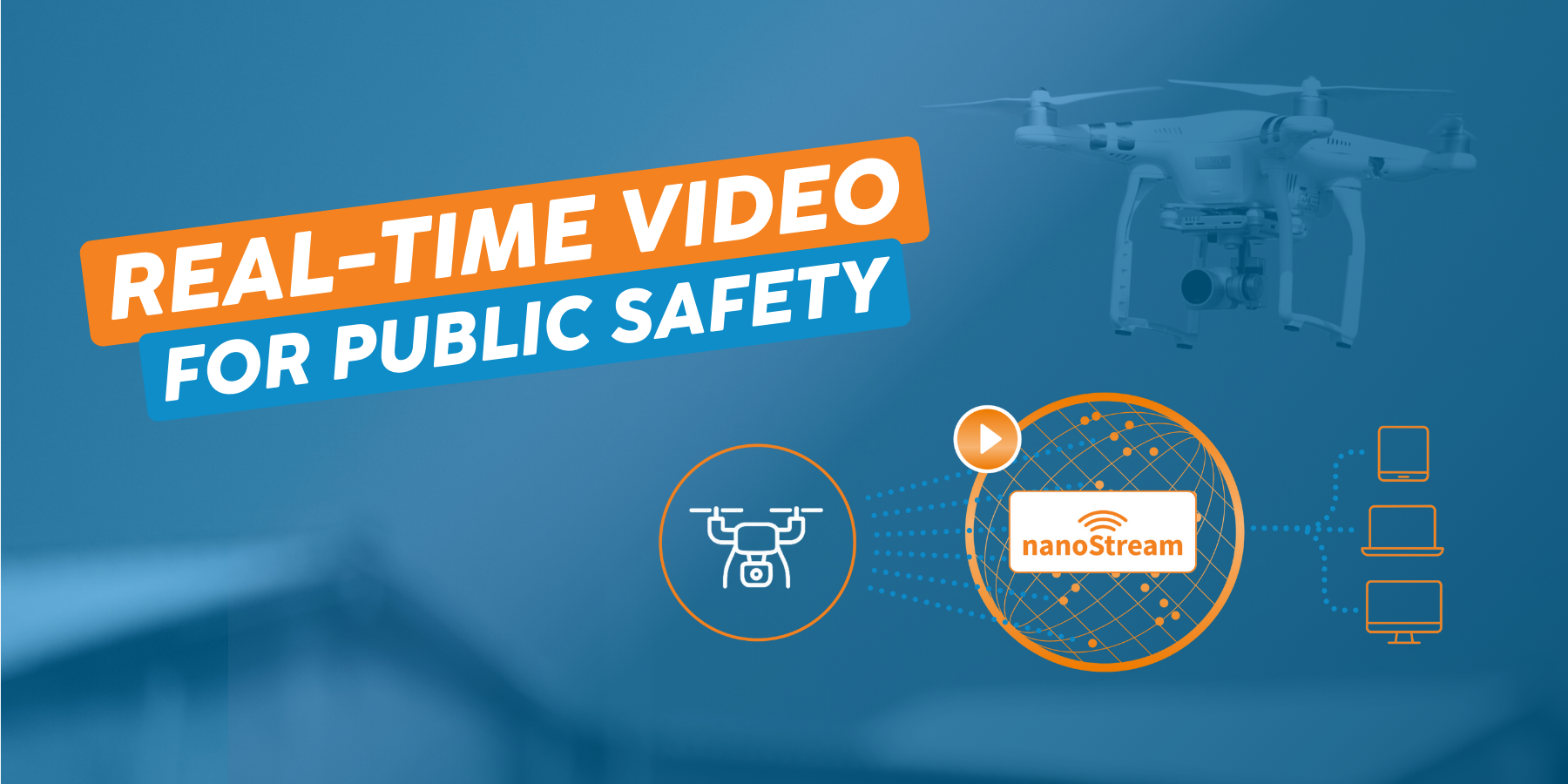
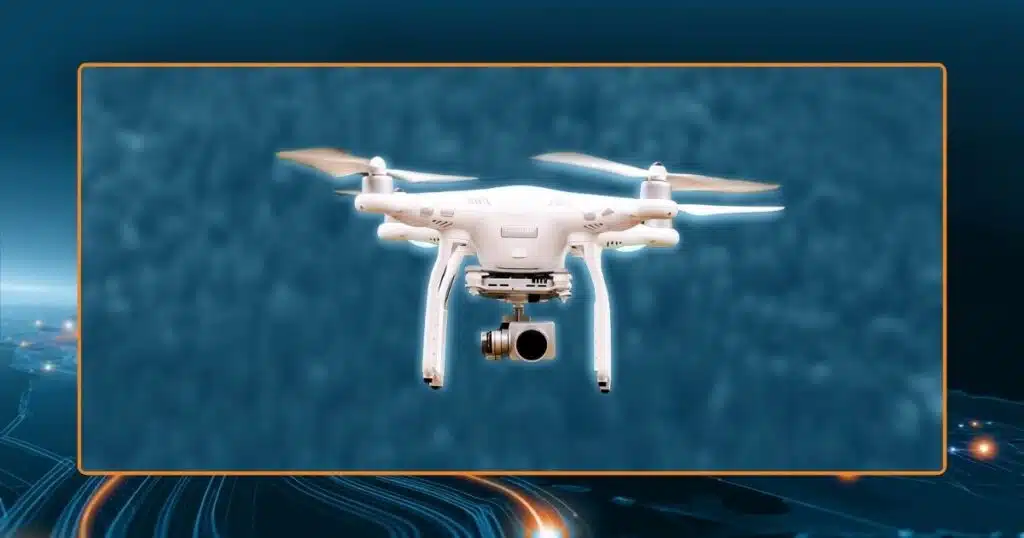
In mission-critical operations, immediate response can save lives, and failure is not an option. From aerial surveillance of wildfires to tactical support during high-risk law enforcement incidents, live video provides situational awareness.
The challenge for these situations lies in delivering the video. How do you distribute the video to all the people who need to see it instantly, securely, and reliably?
Ultra-low-latency architecture ensures video arrives in real time, enabling tactical response, synchronized action, and immediate decision-making. A fast live field coordination when speed saves lives.
Live streaming with AI Accessibility and Features
The year 2026 will be defined by even more integration of Artificial Intelligence. AI will change how content is produced, optimized, and consumed. It is moving from a helpful tool to an integrated, real-time feature within the video streaming pipeline, making content both smarter and more inclusive. What used to be a nice-to-have feature has become essential.
AI-generated live captions and translations represent a paradigm shift from traditional captioning methods. Instead of relying on human interpreters working in real-time, a process that’s both costly and prone to delays, artificial intelligence processes audio streams instantaneously, converting speech to text with remarkable accuracy.
Data becomes even more essential for business
In 2026, real-time video is not just about delivering visuals. It’s also how to get actionable insights from every interaction. Every click, reaction, and comment in a real-time streaming generates data that businesses can leverage to understand audience behaviour, optimise content, and drive revenue.
This means that companies that integrate analytics into their streaming infrastructure can make split-second decisions. From personalising viewer experiences to dynamically adjusting promotions, offers, or gameplay elements. Data transforms streaming from a one-way broadcast into a feedback loop that powers smarter business strategies.
Moreover, the combination of real-time video and AI-driven analytics enables businesses to predict trends. For instance, detect engagement patterns and problems, and even anticipate user needs before they arise. By analysing live behavioural and contextual data, organisations can identify growth opportunities. This also improves conversion rates and ensure compliance or operational efficiency in critical sectors. In a world where latency is measured in milliseconds, having instant access to the right data is no longer optional. The most successful strategies will hinge on their ability to capture, interpret, and act on streaming data in real time.
Built-In Security Becomes Essential to Real-time Video platforms
As real-time video becomes a core layer for different use cases, security can no longer be treated as an add-on or optional feature. Live streams now carry sensitive data, financial transactions, and internal communications, making them increasingly attractive targets for misuse, unauthorised access, and service disruption.
In 2026, leading real-time video platforms are embedding security directly into their architecture. The nanoStream platform, for instance, offers secure ingest and access control to stream protection and continuous monitoring, preventing streaming hijacking and misuse. Everything while ensuring that performance, reliability, and trust are built into the streaming experience.
Broadcast industry and the new real-time video business
The traditional concept of “broadcasting” also evolved. Before, it was a unidirectional, high-quality transmission of a programme or information by radio or television, and aimed at a massive, passive audience. Now, the term has been redefined by technology, shifting its primary focus from mass entertainment to enterprise functionality and interactivity. This enables every business to become a video business
The rise of interactivity has challenged the traditional one-to-many broadcast model in an increasingly participatory digital world. While broadcast workflows still rely largely on linear delivery, newer business use cases, such as gaming, live casinos, and interactive corporate events, demonstrate how real-time video can enable two-way and multi-way participation.
In these environments, video is no longer just a passive display but entertainment with a level of interactivity that requires sub-second latency to support instant feedback, interaction, and decision-making. These use cases are actively shaping new expectations on how to design and deliver live video experiences.
Besides, broadcast-quality video creation is no longer restricted to multi-million dollar studios. Cloud-based production workflows like nanoStream, combined with increasingly powerful and accessible AI tools, have made high-quality live production affordable for small to medium-sized businesses and even individual creators.
Final Considerations When Building Interactive Video Experiences in 2026
Organisations preparing for 2026 must prioritise end-to-end control of the streaming pipeline, scalable ultra-low-latency delivery, and deep insight into metrics.
The companies that invest in these capabilities today will be ready for the next wave of real-time applications. From hyper-personalised live events to interactive monetization models that depend on instant responsiveness.
We designed nanoStream to power the engaging video experiences that demand real-time delivery. Our solution combines all the requirements detailed in this article into a comprehensive solution. You will be in complete control over your video experience.
If you’re ready to build unparalleled experiences that drive business results, there’s no time to waste.