In monetized use cases like live casino and sports betting, the stream is the product: it generates revenue the moment it goes live. That makes it a target. In interactive use cases like corporate broadcasts, the stakes are different, but just as real: confidential information is shared live, and a leak can instantly become a compliance or reputation incident.
This article covers the four most common live stream security gaps and how to close them: a combination of prevention, detection, and response that is already in the nanocosmos platform.
Why Securing Real-Time Streams Is a Business-Critical Priority
The exposure window in live streaming is narrow, and the consequences move fast as the attack surface is active the entire time the stream is running. Unlike on-demand content, a live stream cannot be recalled once it is compromised.
For iGaming operators, a compromised stream during live dealer play can redirect betting activity to a pirate platform mid-session. For enterprise teams, a forwarded stream URL during an earnings call can create regulatory exposure before the call ends.
The financial, legal, and reputational risks are immediate and compounding. That is why security in real-time video cannot be treated as a configuration step. It must be part of the architecture itself, with the ability to prevent threats before they materialise, detect anomalies as they happen, and respond while the stream is live.
The Four Live Streaming Security Threats Operators Need to Know
1. Illegal live stream restreaming for monetisation
An attacker obtains a valid playback URL or token from a legitimate user session. Using a relay server, they connect to your stream with that token and redistribute it to an unauthorised site, complete with their own viewers, ad revenue, and betting interfaces.
This is content theft at scale. The pirate platform profits from your production without any of your costs. Your licensed rights holders will notice. Your viewers on the pirate site may not even know the content is stolen. And if the restreamed version degrades in quality, the reputational damage lands on you, not the attacker.
The financial impact for iGaming operators is direct: betting activity and ad revenue diverted to a pirate platform, combined with potential licensing violations with content rights holders.
2. Unauthorised access via Shared Tokens
A legitimate user extracts their playback token and shares it publicly. For instance, on a forum, a Telegram group, or simply with friends. Without proper session controls, a single token can be used from any IP, in any country, by any number of concurrent viewers.
Long-lived tokens make this significantly worse. A token valid for 24 hours is a 24-hour window of uncontrolled access. Subscribers watch content they have not paid for. CDN costs increase with every unauthorised session. Without analytics, the anomaly is difficult to trace and even harder to act on in real time.
3. Confidential Stream Leaks
An internal all-hands meeting, earnings call, or strategic briefing is streamed to employees only. A recipient forwards the URL or token externally. Outsiders watch sensitive content live.
Corporate communications often contain non-public financial information, personnel decisions, or strategic plans. A single forwarded link, without proper stream protection, can expose the organisation to regulatory, legal, and reputational risks. In scenarios such as pre-announcement earnings streams, unauthorised access can lead to compliance violations, including exposure to insider trading regulations.
Leaked streams can also surface confidential strategic information to competitors or make sensitive internal matters public. The reputational impact extends well beyond compliance, eroding trust among employees, partners, and stakeholders.
4. Insider Access Misuse
External attackers get most of the attention. Insider threats are harder to detect and often more damaging in real time.
A disgruntled employee, a contractor with excessive permissions, or a compromised internal account can delete live streams, modify configurations, or disrupt a broadcast mid-session. Because these actions originate inside the organisation, they bypass most perimeter defences.
The root cause is almost always the same: no least-privilege access model. Users hold permissions far beyond what their role requires. Shared admin accounts remove accountability, making it impossible to trace who performed a specific action and significantly harder to respond to incidents.
For iGaming and corporate event streaming, a disrupted live event means lost revenue, broken user experience, and reputational damage that scales with the stakes of the broadcast.
How to Secure Your Live Streams: The Right Approach
All four threats share a common root: insufficient control over who can access a stream, on what terms, and for how long. Addressing them requires three capabilities working together: prevention, detection, and real-time response.
- Token Access and Revocation: Playback tokens bound to a specific IP range, corporate domain, or eliminate the most common attack vectors before they can be exploited. Tokens issued as revocable give operators the ability to cut access in real time, while the stream is still live.
- Restricting website and domain access: Domain and Website restrictions like Referrer lists let you specify exactly which domains are authorised to embed your content. For example, for enterprise users, it ensures streams stay within your corporate environment. For iGaming operators, it’s another layer protecting your license and your brand.
- Advanced Analytics: Session monitoring that aggregates playback data per token via pattern recognition, which surfaces anomalies automatically. Early detection results in a smaller exposure window.
- Auto-blocking misusers: with intelligent heuristics based on certain access patterns, it is possible to automatically block out certain clients from accessing the content. Additional AI tools help detect these patterns.
- Role-based access control: It limits what each user can do based on their function, not their proximity to the admin panel. This is the primary safeguard against insider threats and the foundation of any auditable access model.
Live Stream Security Built Into the Platform
Security and intelligence are at the core of the nanocosmos platform. It is where the capabilities described above come together for full control, combining security tools, monitoring, and analytics so operators can protect content, understand what is happening across their streams, and act on it.
nanocosmos built the security architecture around three layers that reinforce each other: prevention, detection, and response.
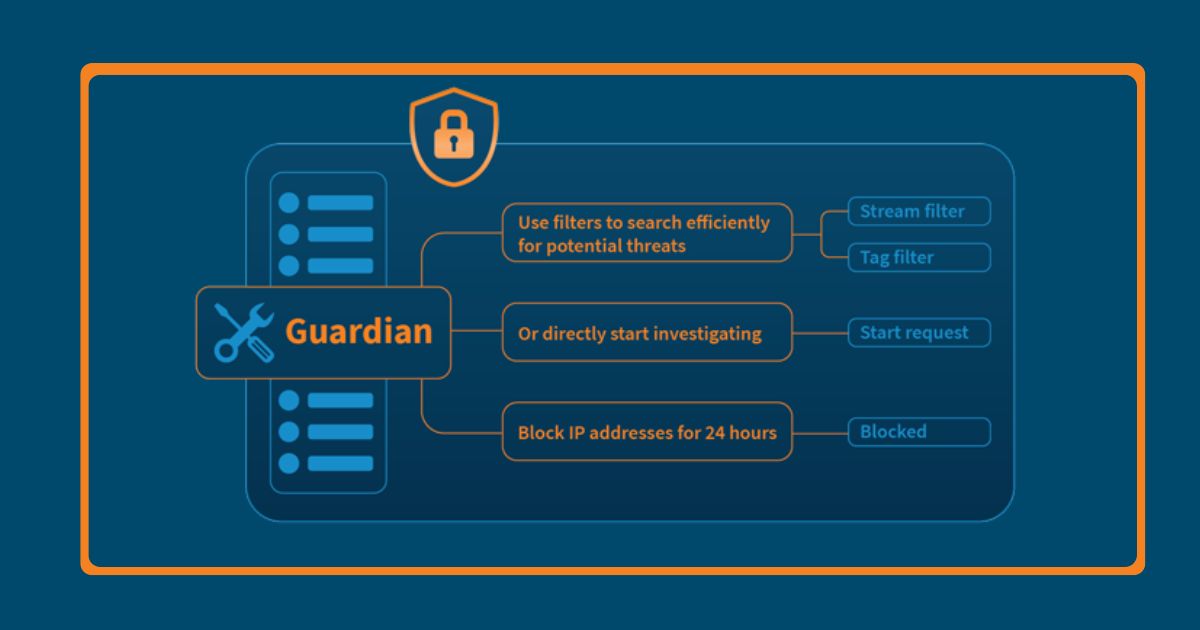
Prevention covers the tools that stop unauthorised access before it starts: token-based access control with IP and referrer restrictions, role-based permissions, and secure transport. Guardian features let you specify exactly which clients and domains can embed your content, keeping streams within the environments you control.
Detection gives you the visibility to spot anomalies before they become incidents. Analytics surfaces per-token playback data across all active sessions, geographic distribution, concurrent viewer counts, and behavioural patterns.
Response is where speed matters most. Token Revocation lets you cut off access on demand, without waiting for a token to expire naturally. Playback Session Termination stops an active session immediately. Auto-blocking helps detect certain unexpected patterns of misusers. Not in five minutes. Now. For iGaming operators dealing with a fraud attempt or a corporate team handling a security incident during a live event, that difference is significant.
Beyond security, the Control layer also provides the analytics layer operators need to run streaming as a business. Performance and usage metrics, viewer experience data, stream health monitoring with proactive alerts, and business intelligence tools for segmenting and understanding audience behaviour across regions and events.
Get in touch with our team to see Control in action or explore the documentation to start implementing these capabilities in your workflows.